
Bracing for a ‘super’ El Niño
By: Mary Simun
This was the headline from the Los Angeles Times 14 August, 2026.
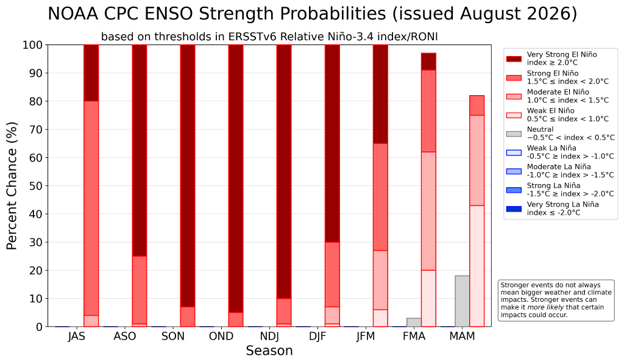
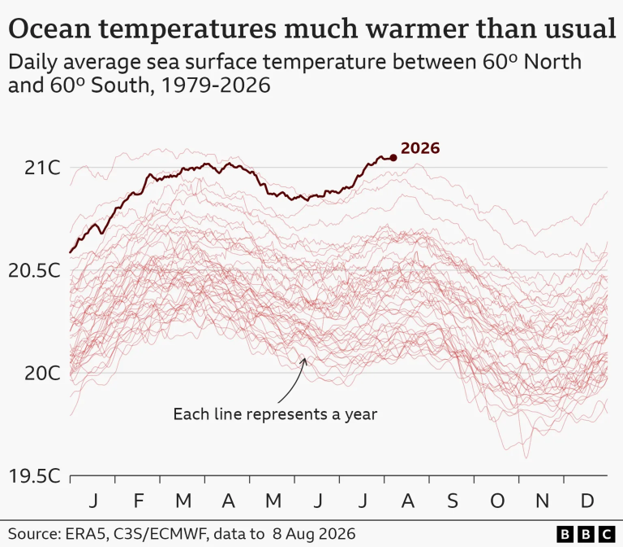
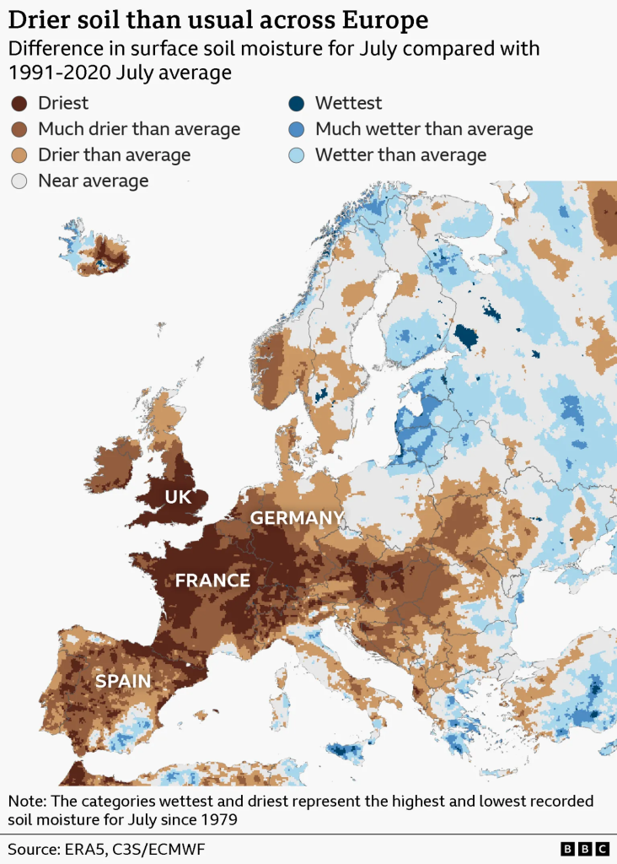
NOAA now predicts there is a 95% chance of this extreme weather pattern developing this year. The prediction is a warmer and much wetter Winter for Southern California, due to warmer sea water temperatures (currently the highest on record), and another record-breaking year for global air temperatures, which are changing weather patterns and Earth’s climate. Concerns along the Pacific coast include sea level rise, coastal erosion, flooding and the potential for hurricanes.Sea Lions and other marine mammals may suffer from the catastrophic effects of rising ocean temperatures: starvation from shifts in prey availability, poisoning from algal blooms, and disease and infections that result from malnourishment.
What does this have to do with native plants, you may ask? Great question!
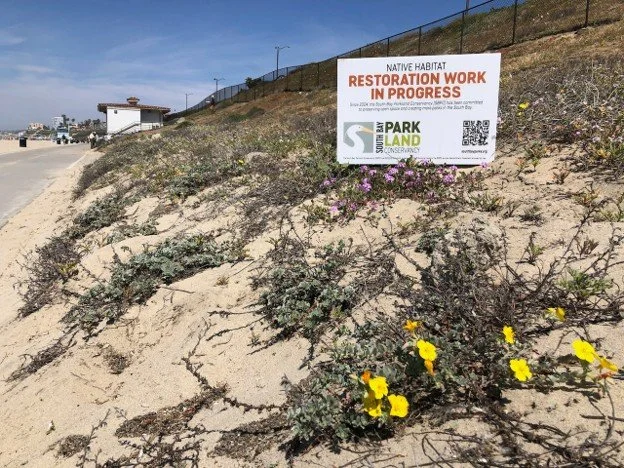
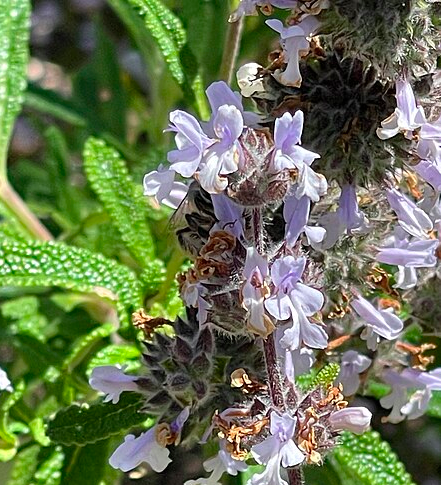
Chaparral and the Endangered Coastal Sage Scrub ecosystem consists of plants adapted to the Coastal Mediterranean Climate of this region. It is one of the rarest climates on Earth, and local native plants have evolved adaptations that permit them to thrive under extreme conditions that most other vegetation types would whither under. Plants such as Black Sage, Beach Evening Primrose and Sagebrush thrive in porous, sandy soils that permit precipitation to enter the soil and recharge underground aquifers, while the plants’ extensive root systems act like sponges to soak up rainwater rapidly and utilize it for growth. The ideal planting season for natives is generally in the Winter, but the unpredictable El Niño may bring earlier rains to the Southern California area.
The result?
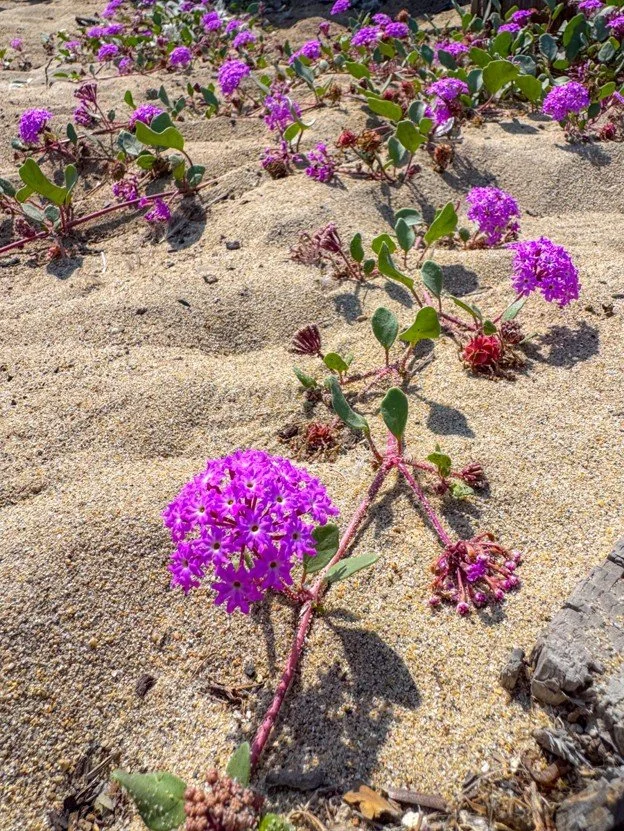
Increased photosynthesis rates, carbohydrate creation and storage, Carbon sequestration and Oxygen creation, and habitat and food for pollinators and other local wildlife. Native plants support native pollinators, which are essential to our food supply. The growth phase of natives follows the Winter rainfall season, resulting in Winter and Spring greening and blooming, and then Summer dormancy. The natives’ fibrous mat root systems hold and stabilize soil, making them critical for coastal stabilization. If wind or rain erosion covers the plants with sand, plants such as Sand Verbena who form large vegetation mats on the surface of the dunes, they simply grow up through the sand and reestablish themselves on the surface.
How can YOU adapt?
Get Educated! South Bay Parkland Conservancy offers Seminars and educational guided walks to broaden your horizons and immerse you in nature! Plant Natives! Plant a native garden in your yard, or work with us at habitat restoration sites, or start or support a school garden or community garden…..the possibilities are endless!