
All it Takes is One Volunteer Event to Make a Difference
By Thomas Lacy
So many people ask me, “why are native plants so important?”
It's a question that I have trouble answering; not because it's a difficult question to answer, but rather because the inner plant geek in me has so much to say. I could tell you all about the biology of native bees, and how native plants permit their colonies to flourish. Or I can tell you random fun facts about insects that require host plants, such as California Sagebrush (Artemisia californica), to reproduce. Instead, I will give you some interesting facts and let you decide if native plants are indeed important.
Before the South Bay Parkland Conservancy (SBPC) started habitat restoration of Hopkins Wilderness Park in 2017, the platform iNaturalist, a community science platform run by community members, recorded fewer than 40 species inhabiting Hopkins Wilderness Park in Redondo Beach, CA. This is because there was little plant diversity in the park, and little reason for naturalists or local nature enthusiasts to put the park on their bucket list.
Since SBPC began habitat restoration of Hopkins Wilderness Park, iNaturalist community members have recorded more than 560 species on site! What had been grassland with some trees is now a thriving native urban habitat teeming with life!! What was once an underappreciated nature park is now a hotspot for local conservation organizations, such as the Audubon society and the Xerces society, and is routinely visited by local nature enthusiasts who participate in outdoor recreational activities, such as Nature photography and birding.
I personally know this to be true, as I am one of the community members who is hooked on going to this park and exploring. As a South Bay Community ambassador for iNaturalist, I held the SBPCs Student Ambassador BioBlitz to see what the community could discover at the park. A BioBlitz is an event that focuses on finding and identifying as many species as possible in a specific area over a short period of time. We had a diverse audience, ranging from a group of elementary schoolers to newcomers looking to learn a new hobby. We recorded over 120 species at the park in a single morning, 15 of which had never been recorded there before.
My personal favorite sighting was the California Camel Cricket, because the children who discovered it were super excited to learn that they found a cricket rarely reported in the South Bay.
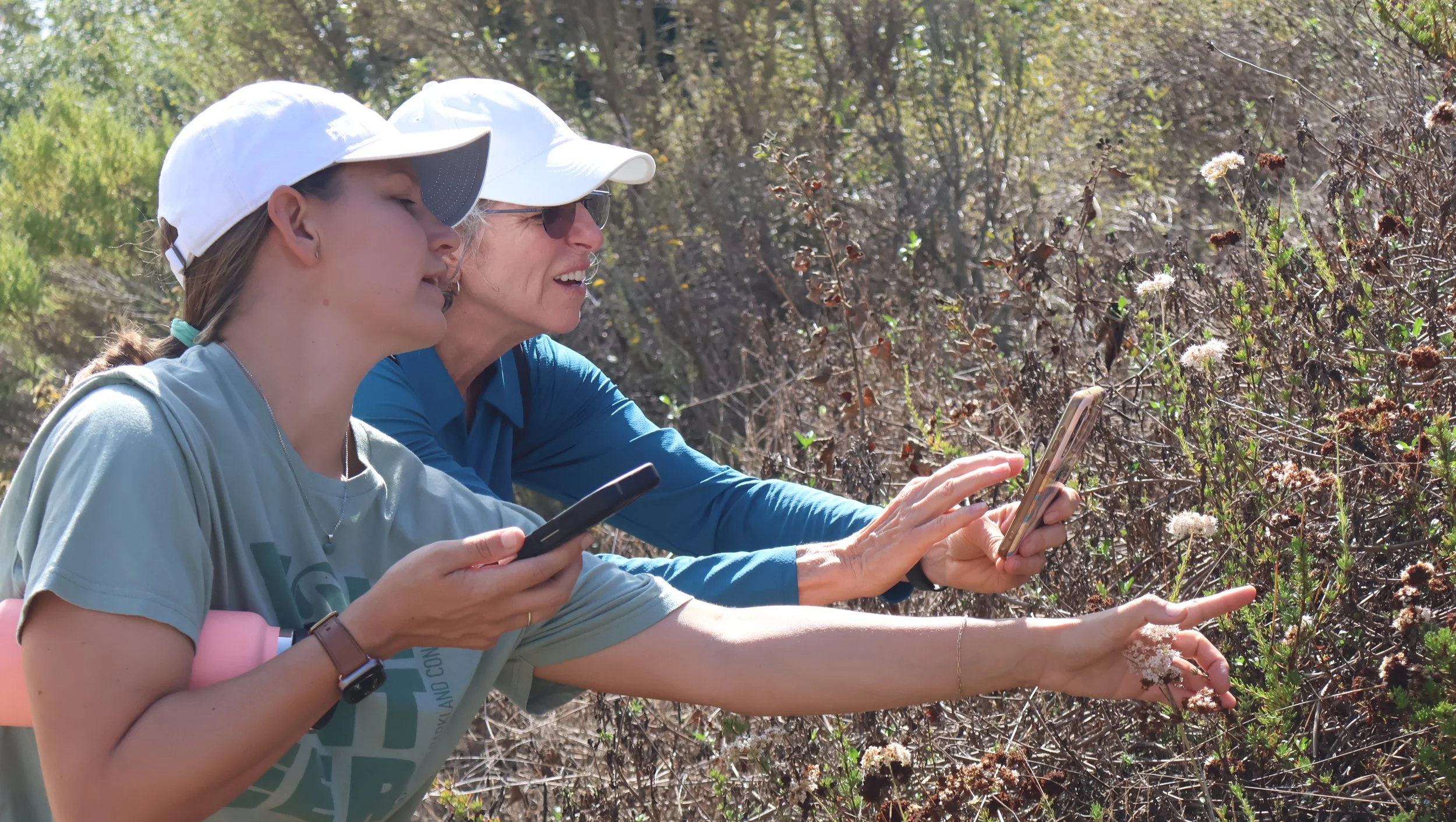
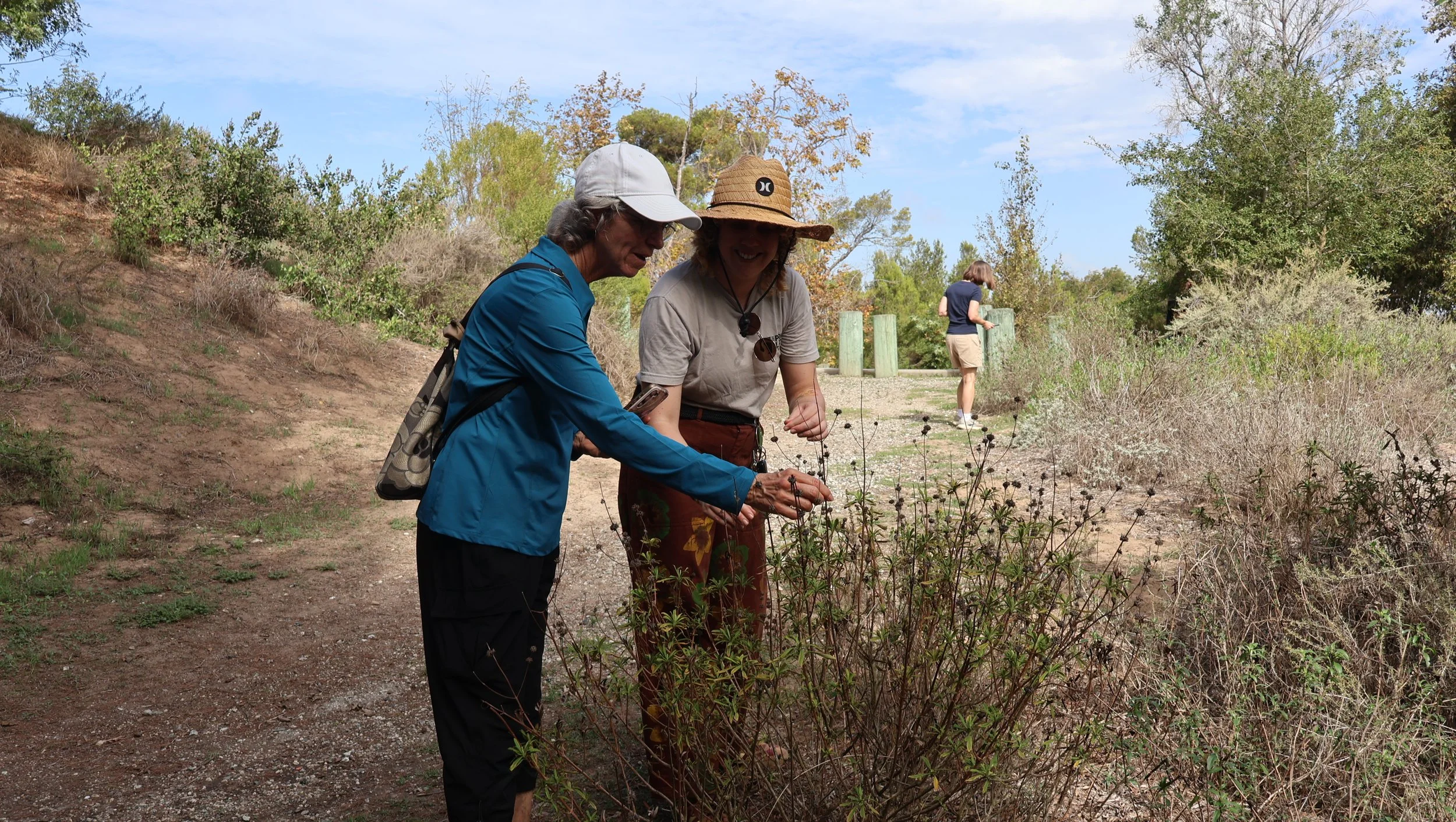
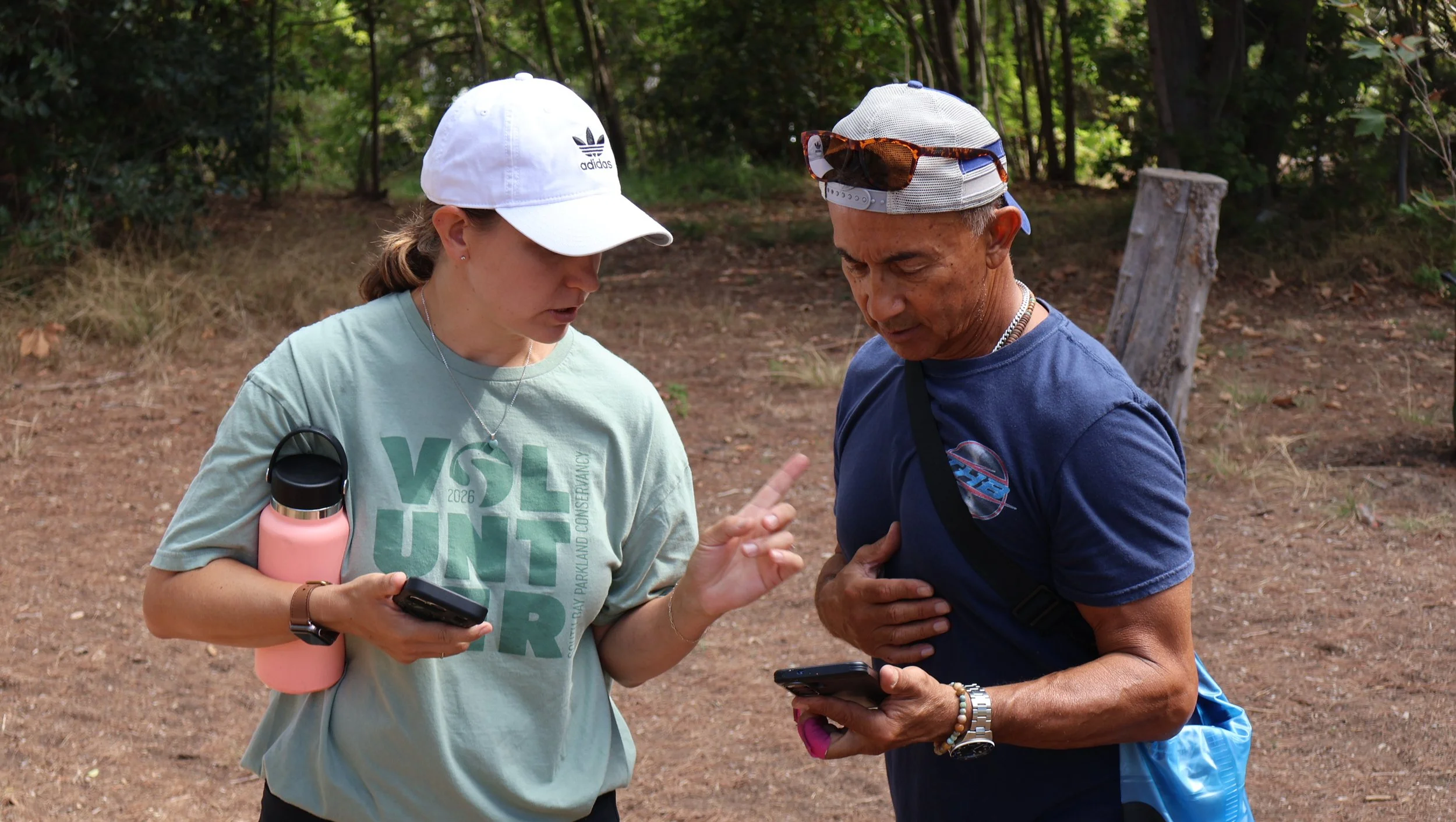
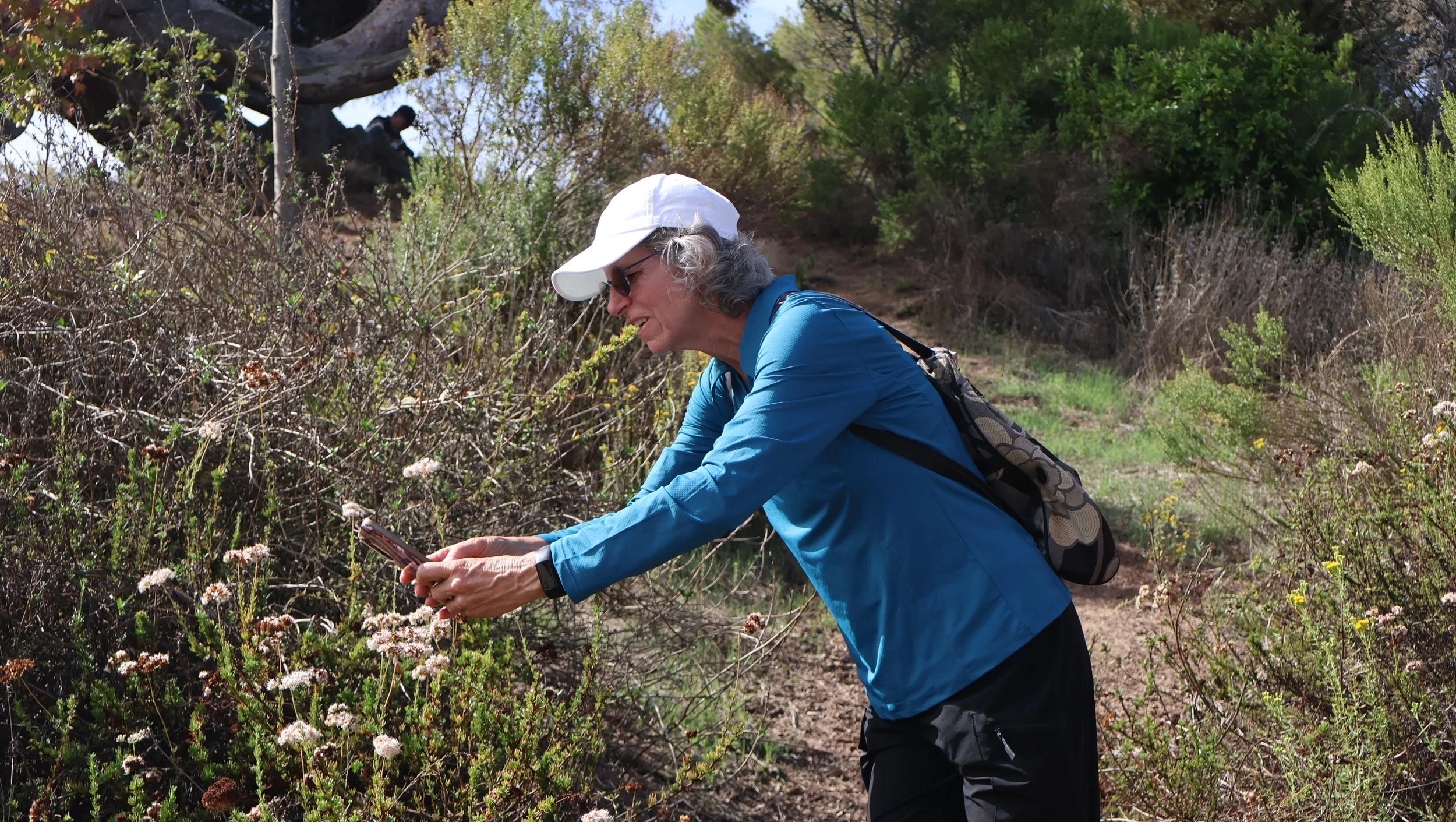
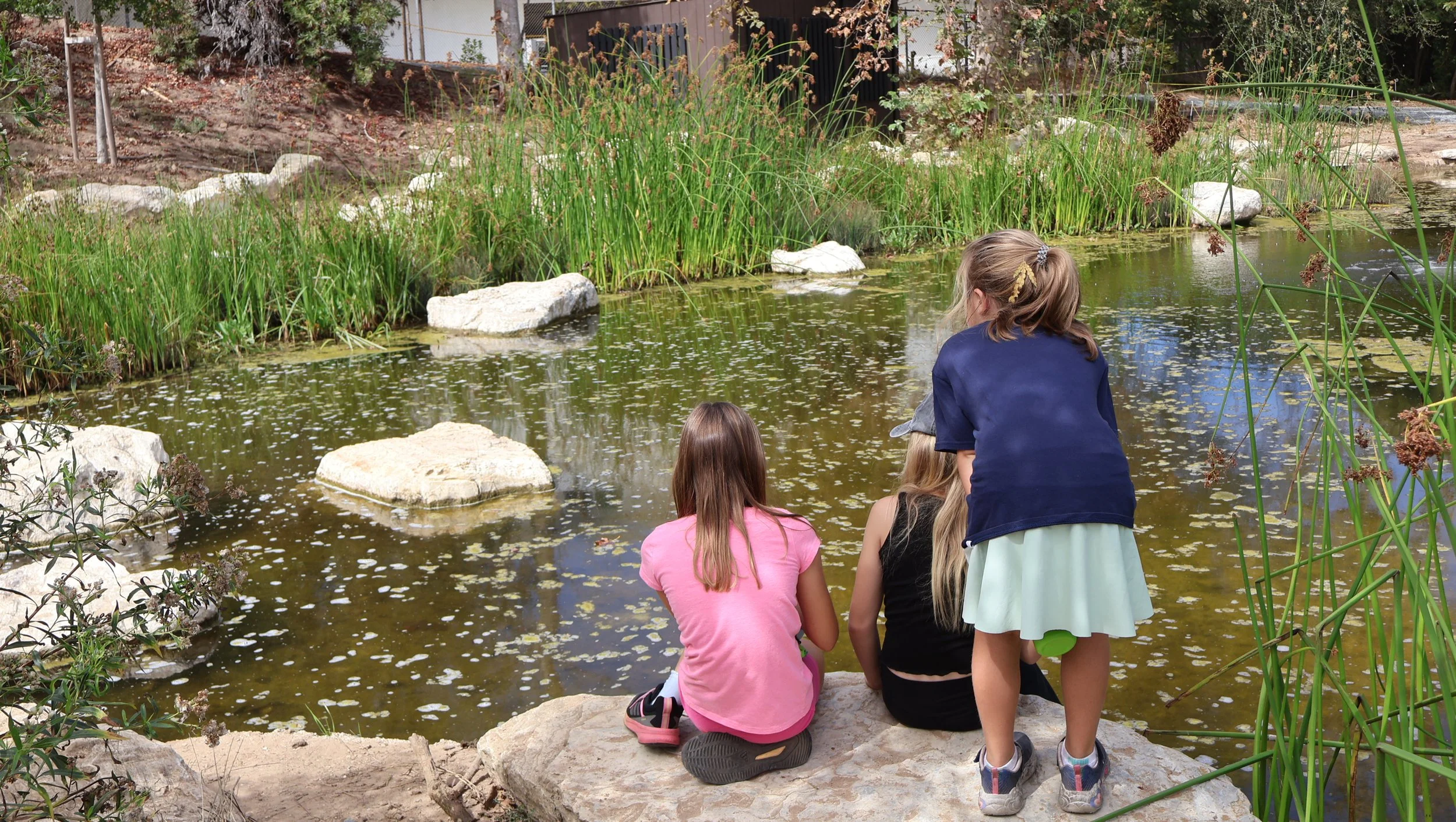
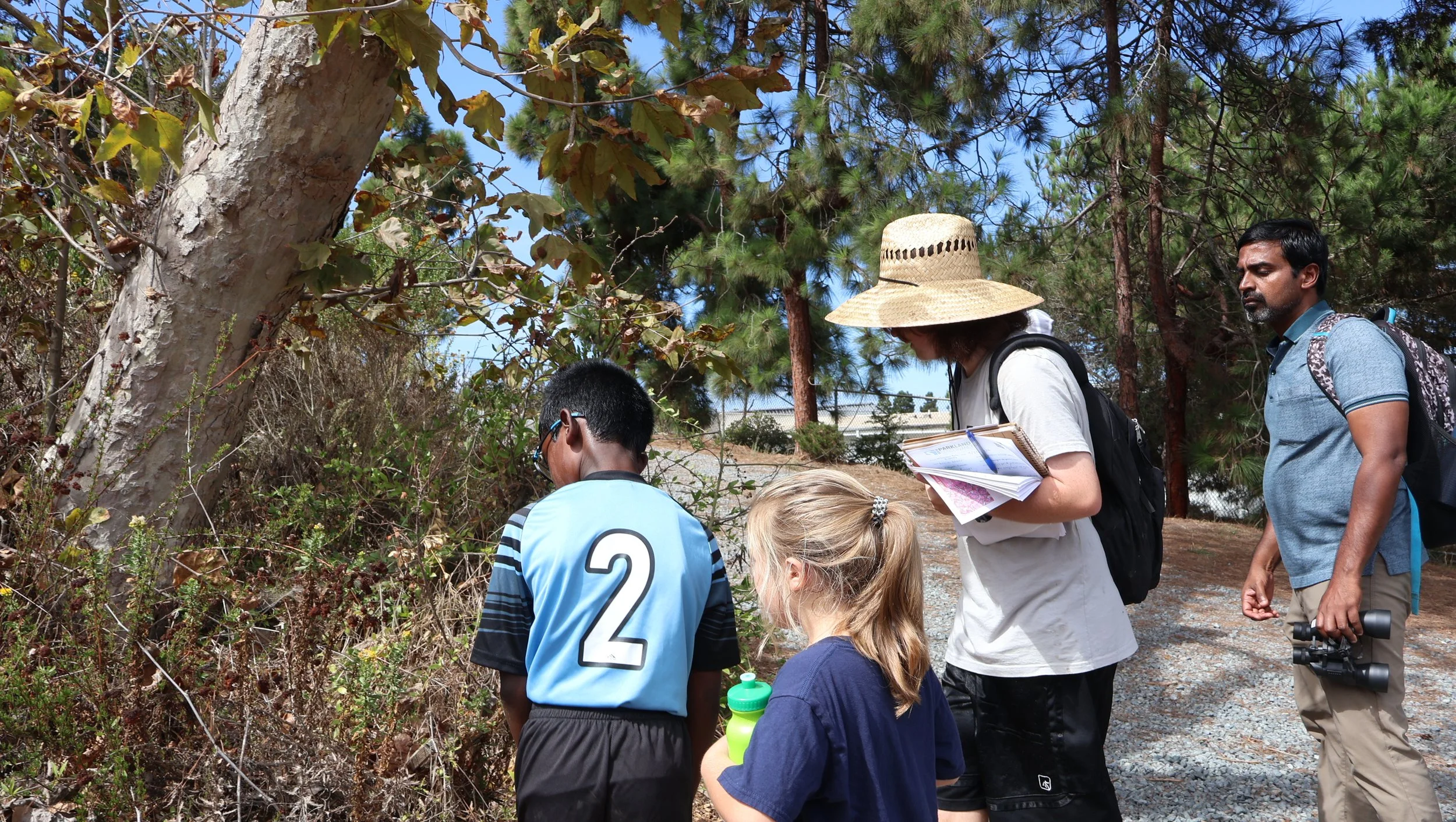
From the kids' smiles, upon looking at the Coastal Goldenbush, to retirees enjoying sitting by a pond and learning Nature photography, to the privilege of seeing butterflies fly overhead, would have been possible without planting native plants.
Which is why, I wholeheartedly support rewilding the South Bay. Just by planting CA native plants, we’re creating a superbloom. Of flowers, of peoples’ smiles, and of all the wildlife that we as a South Bay Community are so fortunate to have and share.
If you want to be a part of the South Bay superbloom, check the SBPC calendar and sign up for a community event! From Hopkins Wilderness Park, to the Esplanade Bluffs, the South Bay Parkland Conservancy offers weekly volunteer opportunities to restore native habitat. Volunteers host nature walks monthly at Hopkins Wilderness Park and special events like the recent Butterfly Art Workshop and the BioBlitz are added throughout the year.
And if you want to mindfully engage and learn about your local ecosystem, while contributing to community science, iNaturalist is an international community science platform that is simple to use and open to all backgrounds. Whether you are an advent hiker and want to learn more about your surroundings, an industry professional, or just someone who wants a new hobby, iNaturalist is for you!!
iNaturalist is a mobile app that helps you identify the plants and animals around you — every observation you share becomes data for scientists and conservationists working to understand and protect nature.